
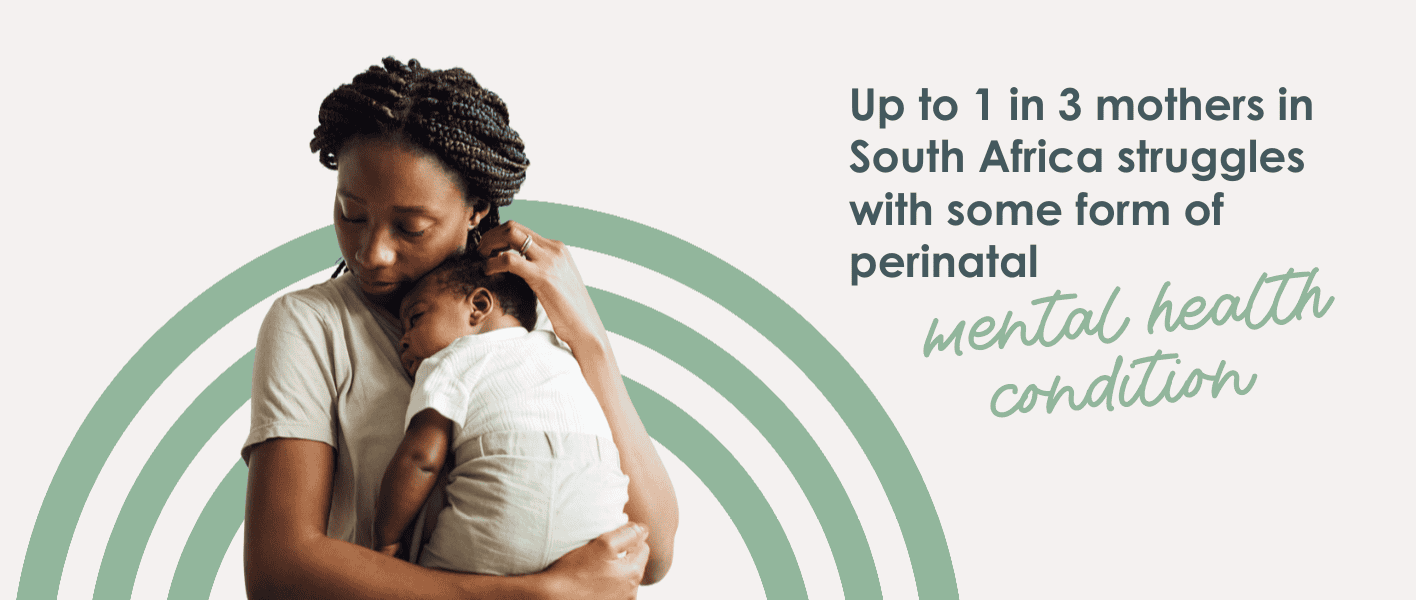
The church has a tremendous opportunity to support moms who are struggling with common perinatal mental disorders. But, experiences are varied: some moms and families receive support, some are overlooked, and some even feel judged and blamed for their experiences.
We have all inherited views about mental health from when we were young. Some of these views might be healthy, and lead us to be compassionate and caring towards mothers in these hard spaces. Other views may have been unhealthy, and lead to us ignoring moms, or even treating them poorly.
We developed this webinar series to help shine a light on this complex topic. With 11 different speakers from different disciplines and backgrounds, we explored how we can all grow in our understanding of the issues, and be more caring for moms experiencing these conditions.
The Big Messages
 This isn’t mom’s fault. There are many factors that contribute towards mom’s mental and emotional challenges around baby’s birth. Her struggles are not because she is weak, lazy or cursed.
Moms need support. This can be provided by family, friends, church members and pastors.
Mom might need professional support. Even with good care, moms might still need to be referred to professionals who can help her with her mental health.
Our words matter. What we say to and about families can add to their struggles, or contribute towards their wellbeing.
Every story is unique. Each family has its own strengths to draw on during this kind of season. At the same time, they also have distinct challenges and risks.

Common perinatal mental disorders will have an impact on mom and her capacity to provide what her young child needs to thrive. This is not an issue that is ‘just in her head’, but something that will shape relationships around her.

The Signs And Symptoms
Dr Nicki Dawson
VIDEO
SLIDES

The Impact On Mom And Family
Dr Estelle Venter and
Assoc Prof Simone Honikman
VIDEO
SLIDES

Whose responsibility is this?
Linos Muvhu
VIDEOSLIDE

Many mothers experiencing anxiety and depression feel isolated and alone. Their faith and their church might be a place of comfort, but it could also be a place where they are misunderstood and feel blamed. The church has be potential to be a supportive community, and the local church should be the last place that mothers experience as unhelpful. But this requires us to explore the issues and opportunities that exist for local churches.

Why Is This Difficult For Church Leaders?
Pastor Tony Seaka
VIDEO
SLIDES

What Triggers Maternal Mental Health Challenges?
Assoc Prof Simone Honikman
VIDEO
SLIDES

A Biblical View Of Mental
Dr Zamahlubi Dlamini
VIDEO
SLIDES

The Opportunity For The Local Church
Jason Sandows
VIDEO
SLIDES
Family members, friends, and colleagues play a vital role in supporting moms through mental health challenges. Walking alongside her in everyday moments can make all the difference, and churches can offer meaningful, practical support along the way.

Words Matter: What Stigma Does
Stacey Ann Pillay
VIDEO
SLIDES

A New Story: Tackling Stigma
Mona Bormet
VIDEO
SLIDES
TOOLKIT

When More Help Is Needed
Dr Valentina Trivella
VIDEO

What We Can All Do To Support
Sinikiwe Mqadi
VIDEO
SLIDES
Not everyone can be a trained counsellor or psychologist. The most meaningful support often comes from the people closest to us. At the same time, some mothers will need more specialised care. Whether you’re a family member, friend, or church leader, these services and resources can help you find the right next step for the mother in your life.
SADAG
The South African Depression and Anxiety Group has tollfree helplines, support groups – in person and online.

PMHP Resource Directory
The Perinatal Mental Health Project has created an interactive resource directory. Explore the range of services available to mom and family.
Masiviwe
Resources to help you understand mental health and a map to locate services near you.
CCIH Toolkit for Faith Actors
Christian Connections for International Health’s free toolkit to empower church leaders to engage their congregations around maternal mental health.

Not to fix her. Not to judge her. But to be present, informed, and kind — in the way that only a community who truly understands can be. That community can be you.


